AM
Awais Mughal
6 reviews
Writing Style:
Normal
Tone:
Normal
Biography
A passionate writer with a love for storytelling and creating engaging content for readers.
Reviews Summary
4.2
(6)
Rating Breakdown
6 total ratings
5
50%
4
17%
A passionate writer with a love for storytelling and creating engaging content for readers.
4.2
Rating Breakdown
6 total ratings
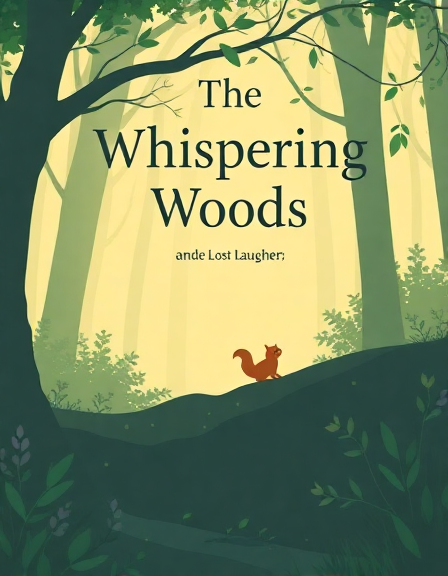
The Whispering Woods and the Lost Laughter is a truly delightful read that offers a charming message for young readers. The plot, centered around Squeaky's quest to find the lost laughter, unfolds with a gentle pace that keeps interest without rushing. Squeaky's transformation from a laughter-loving squirrel to a compassionate friend is a heartwarming arc. Awais Mughal's writing style is clear and imaginative, bringing the Whispering Woods to life beautifully. The paper-cut art style sounds like a perfect visual complement, enhancing the whimsical world. Professor Hoot provides a wise exposition that guides the narrative effectively. The resolution, emphasizing kindness over conflict, is a valuable lesson for children. The focus on friendship and empathy as sources of joy is skillfully woven throughout. This story would be a wonderful addition to any child's library. It’s a book that leaves you with a warm feeling and a reminder of simple kindness.
The Whispering Woods and the Lost Laughter is a charming addition to children's literature, offering a gentle exploration of significant themes. The narrative successfully weaves together Squeaky's quest with moments of quiet reflection, though the pacing felt a touch slow in the middle. Squeaky's transformation from a laughter-loving squirrel to an empathetic friend is nicely portrayed through his actions. Awais Mughal's prose is delicate and fitting for the story's whimsical setting, though some descriptive passages could be more concise. The paper-cut art style is a standout feature, vividly bringing the magical woods and its inhabitants to life with rich textures and colors. The story's core message about kindness and connection is well-communicated without being overly didactic. Professor Hoot serves as a wise guide, effectively explaining the mechanics of the lost laughter. The resolution with the shadow creature is a thoughtful portrayal of understanding over conflict. It's a story that will likely resonate with young readers, prompting discussions about empathy. Overall, it's a well-crafted book with a heartwarming message and beautiful illustrations.
"The Whispering Woods and the Lost Laughter" is a truly delightful and heartwarming story that resonated deeply. Awais Mughal has crafted a beautiful narrative about the importance of kindness and empathy, even when things seem dark. Squeaky's journey to find the lost laughter is filled with charm and gentle lessons, making the story engaging for young readers. The character of Squeaky is wonderfully portrayed as a small hero driven by a big heart, and his interactions with the shadow creature are particularly poignant. Professor Hoot’s wisdom adds a thoughtful layer to the story, guiding Squeaky towards understanding the true source of joy. The descriptions of the Whispering Woods, brought to life with the paper-cut art style, create a vibrant and enchanting world. It was inspiring to see how Squeaky’s acts of compassion, rather than grand gestures, ultimately brought back the light. The message that true joy stems from connection and caring for others is a valuable takeaway for children. I wholeheartedly recommend this book for its beautiful message and captivating illustrations. This book is a treasure that celebrates the quiet power of empathy.
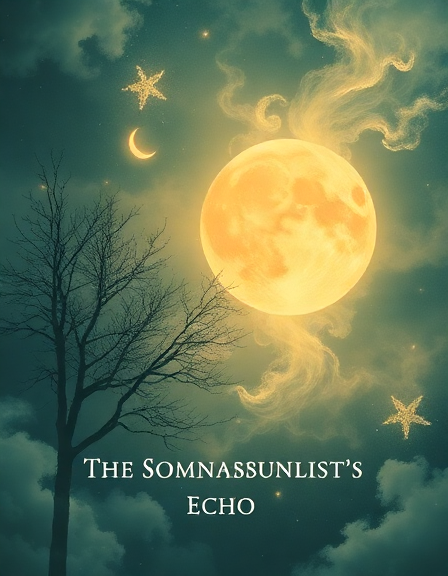
The Somnambulist's Echo was a really gripping read that kept me hooked from the start. The way the author explored the blurring lines between dreams and reality was quite effective. I particularly appreciated the character arcs, especially Elara's journey from observer to leader. The writing style was immersive, drawing me into the teenagers' psychological struggles. The plot moved at a good pace, building tension effectively towards the climax. I found the exploration of individual traumas and their exploitation by the entity to be quite thought-provoking. The dynamic between Maya and Noah added an interesting layer of emotional complexity. While Liam's pragmatism sometimes felt a bit at odds with the supernatural elements, it also served as a good grounding force. The introduction of the enigmatic professor felt a bit underdeveloped but added to the mystery. Overall, it's a thrilling story that dives deep into fear and the resilience of the human spirit. I would certainly recommend this to anyone looking for a psychological supernatural thriller. This book left a lasting impression, making me ponder the power of our own subconscious minds.
The Somnambulist's Echo offers an intriguing premise within the supernatural genre, but it doesn't quite reach its full potential. The core concept of dream manipulation is well-established, though the plot sometimes becomes convoluted as the entity's influence grows. Character arcs, particularly Elara's transformation into a leader and Liam's struggle with logic, provide depth, but some relationships feel underdeveloped. Mughal's writing style is generally clear, though the descriptions of the dreamscape could be more vivid to enhance the psychological horror. The exploration of personal traumas through the entity's manipulation is a strong theme, but the resolution felt a little rushed. The book effectively blends psychological torment with supernatural elements, creating a compelling, if occasionally uneven, read. While the idea of shared nightmares bleeding into reality is fascinating, the execution sometimes struggled to maintain consistent tension. The dynamic between Maya and Noah offers a volatile emotional core, but their romance occasionally overshadows the broader supernatural threat. The enigmatic professor's role felt somewhat sidelined, leaving her agenda less impactful than it could have been. Ultimately, the novel is a thought-provoking exploration of fear, though some narrative threads could have been more tightly woven. Readers looking for a supernatural story that delves into the subconscious will find elements to appreciate here. It's a solid effort that promises more than it fully delivers, leaving room for improvement in future works.
The Somnambulist's Echo presents an intriguing premise about teenagers who can manipulate dreams, but the execution felt somewhat uneven at times. The core concept of shared nightmares bleeding into reality is a strong foundation for psychological horror, though the pacing occasionally faltered. While Elara’s artistic perspective was a compelling element, some character arcs, particularly Maya and Noah’s romance, felt a little rushed given the overall narrative. Mughal’s prose effectively creates atmosphere, but the balance between the supernatural threat and the personal traumas could have been more consistently managed. The exploration of confronting internal fears through a shared dreamscape offered a thought-provoking dimension to the narrative. The conclusion did bring a sense of closure, though some of the more subtle plot threads introduced earlier felt a bit underdeveloped. I found the idea of dreams becoming a battleground genuinely fascinating and a unique approach to supernatural storytelling. The entity’s exploitation of the characters’ past traumas was a particularly chilling aspect of the story. Ultimately, it’s a book that delivers on its supernatural promise with some memorable moments of unease. I would recommend this to readers looking for a darker, more introspective supernatural tale, with the caveat of some narrative inconsistencies.